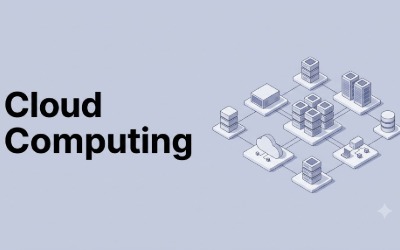
The Cloud Computing Course helps students and freshers understand how cloud platforms store, manage, and process data over the internet. Learners explore cloud infrastructure, virtualization, networking, storage, and deployment methods used by modern businesses. Practical learning opportunities help students build technical knowledge and develop industry-relevant skills.
Cloud Computing Training Program
A Cloud Computing Training Program introduces learners to cloud architecture, virtual machines, scalable infrastructure, and cloud security. Students can understand how organizations use cloud technology to improve flexibility, performance, and cost efficiency. Practical exercises help learners develop problem-solving skills and understand real-world cloud environments.
AWS Cloud Computing and Infrastructure
AWS Cloud Computing training introduces important services such as Amazon EC2, Amazon S3, IAM, VPC, and load balancing. Learners explore how to launch virtual servers, manage cloud storage, configure access permissions, and deploy applications. Understanding these services can help students prepare for entry-level cloud and infrastructure roles.
Microsoft Azure and Cloud Deployment
Microsoft Azure training helps learners understand cloud resources, virtual networks, storage services, and application deployment. Students can compare different cloud platforms and learn how businesses use cloud solutions to manage workloads. Project-based learning can also help learners connect theoretical concepts with practical cloud tasks.
Cloud Infrastructure, DevOps, and Career Skills
Cloud infrastructure knowledge is useful for careers related to cloud support, system administration, DevOps, and IT operations. Learners can develop an understanding of monitoring, backup, security, automation, and resource management. Combining cloud computing concepts with practical internship opportunities can help students build experience and prepare for technical interviews.