Course description

The Entrepreneurship Course helps learners develop business ideas, identify market opportunities, and turn innovative concepts into practical business ventures. Students can explore important topics such as entrepreneurial mindset, business model development, market research, financial planning, and business strategy. Explore project courses to gain exposure to practical projects and strengthen your problem-solving and business development skills.

Does Digital Entrepreneurship Create Business Opportunities?

Digital entrepreneurship involves building and managing businesses using digital platforms, online services, and technology-based solutions. Entrepreneurs can use websites, social media, digital marketing, and e-commerce platforms to connect with customers and promote their products or services. Learners can strengthen their understanding of digital business models and online marketing strategies to explore how digital tools support customer engagement, business development, and growth.

The Benefits of Entrepreneurship and Innovation Training

Entrepreneurship and innovation training helps learners develop creative thinking, leadership, communication, financial planning, and problem-solving skills. It also introduces methods for evaluating market opportunities, validating customer needs, and developing business ideas into practical plans. Students can explore startup strategy and innovation management to understand design thinking, product development, competitive analysis, and business growth strategies.

Can Startup Experience Help Students Build Their Careers?

Startup experience helps students understand business operations, teamwork, customer requirements, market research, and decision-making. Practical assignments can provide insight into how businesses develop products, promote services, and manage everyday challenges. Students interested in gaining exposure to entrepreneurial activities can explore startup business internships to learn about startup operations, business development, branding, and customer analysis.

What will i learn?

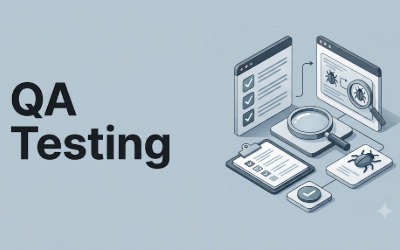
  • Understand software testing fundamentals and quality assurance principles.
  • Explain the Software Development Life Cycle (SDLC) and Software Testing Life Cycle (STLC).
  • Identify the differences between manual and automation testing.
  • Prepare test scenarios, test cases, and basic test plans.
  • Perform introductory functional, regression, smoke, and sanity testing.
  • Identify software defects and prepare clear bug reports.
  • Understand defect life-cycle management and testing documentation.
  • Gain introductory knowledge of automation testing and Selenium.
  • Improve analytical thinking, attention to detail, and problem-solving skills.
  • Build a foundation for further learning and entry-level software testing opportunities.

Requirements

  • Basic computer knowledge and familiarity with using software applications.
  • Interest in software quality, application testing, and technology.
  • Logical thinking and problem-solving abilities.
  • Basic English reading and communication skills.
  • Willingness to practise test scenarios and prepare test cases.
  • A laptop or computer with a stable internet connection for online learning and practical exercises.
  • Basic programming knowledge is helpful for automation testing but is not essential to begin manual testing.

Frequently asked question

Students can learn how to identify software defects, prepare test cases, verify application functionality, and understand quality assurance processes. These skills provide a foundation for exploring software testing and QA careers.

The duration depends on the training syllabus, learning schedule, and level of practice. Manual testing fundamentals can be learned first, followed by automation and API testing.

Software testing training can help learners develop technical knowledge, practise testing methodologies, and gain exposure to software testing tools and project workflows.

Commonly used tools include Jira for defect tracking, Selenium for browser automation, Postman for API testing, and SQL tools for database validation. The tools covered depend on the course syllabus.

Yes. Practical exercises help students understand test execution, defect reporting, test documentation, and the application of testing concepts to real-world scenarios.

Learners can prepare for entry-level roles such as Manual Tester, Software Testing Trainee, QA Tester, and Junior Quality Analyst. Automation-related positions may require additional programming and tool experience.

999₹

Lectures

0

Skill level

Beginner

Expiry period

Lifetime

Certificate

Yes

Share this course

Related courses

FREE Book a Webinar